
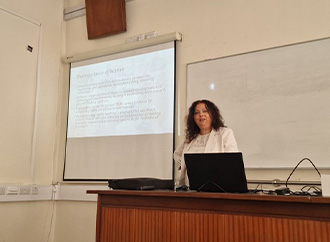
The University of Malta continues to lead efforts in fostering diversity and inclusion within its academic community, especially in the traditionally male-dominated fields of science, technology, engineering, and mathematics (STEM). A recent lecture hosted by the Department of Physics exemplifies this commitment, shining a spotlight on the crucial issue of women in STEM and the persistent challenges they face.
Understanding the Importance of Gender Equality in STEM
Gender equality in STEM is essential not only for creating a fair and inclusive environment but also for driving innovation and scientific progress. Despite advances in recent years, women remain underrepresented in these fields globally. According to data presented at the University of Malta, only about 28% of careers in STEM are pursued by women. Such disparities highlight the need for targeted initiatives to promote greater participation and leadership opportunities for women in science and technology.
In Malta, the situation reflects broader societal patterns. For example, while nearly half of the graduates in the Faculty of Science are women, the percentage drops when considering leadership roles and specific disciplines within STEM. The University’s efforts in addressing these imbalances are vital for creating a more equitable academic and professional landscape.
Key Takeaways from the Physics Talk: Embracing Diversity and Overcoming Barriers
The lecture, delivered by Ms Vania Tabone from the Department of Gender & Sexualities, aimed to raise awareness among third-year undergraduate students about gender-related issues in STEM. She emphasized how socially constructed perceptions and cultural norms continue to shape career choices and opportunities for women.
One of the main points discussed was the prevalence of unconscious bias and the scarcity of female role models in senior positions within scientific fields. These barriers can discourage women from pursuing or remaining in STEM careers and hinder their progression into leadership roles.
Ms Tabone highlighted that addressing gender inequality requires a comprehensive approach, including:
- Challenging societal stereotypes: Encouraging young women to consider STEM careers through outreach programs and representation.
- Creating mentorship opportunities: Connecting female students with established female professionals can foster confidence and provide role models.
- Implementing structural reforms: Universities and workplaces should adopt policies that promote diversity, equity, and inclusion.
The Role of Educational Institutions in Promoting Women in STEM
The University of Malta plays a proactive role in promoting gender equality through various initiatives, research projects, and student support programs. By integrating discussions on gender issues in STEM into curricula and organizing seminars like the one featuring Ms Vania Tabone, the university fosters a culture of awareness and activism among students.
Encouragingly, Malta shows promising signs – the higher graduation rates of women in faculties like Education (91%) compared to STEM disciplines highlight the importance of sustaining efforts across all sectors. Universities are thus pivotal in shaping perceptions and providing the tools necessary for women to succeed in scientific careers.
How Students and Future Professionals Can Make a Difference
Students and aspiring professionals can take active steps to contribute to a more inclusive STEM environment. This includes advocating for diversity, participating in mentorship programs, and challenging stereotypes within academic and professional settings.
Institutions can further support these efforts by establishing policies that promote work-life balance, address unconscious biases, and ensure equal opportunities for advancement.
Towards Gender Equality in Science and Technology
The lecture hosted by the Department of Physics at the University of Malta, featuring Ms Vania Tabone, underscores the ongoing need for concerted efforts to promote gender equality in STEM. Through education, mentorship, and structural reforms, we can break down barriers and foster an environment where women have equal opportunities to thrive in science and technology.
Interested in studying at the University of Malta? Fill out the form to get personalized support from a Studygram expert counselor. We’ll guide you through program selection, admission requirements, and the application process, making it easier for you to take the next step toward your academic goals in Malta.