Effective Waste Management Strategies at the University of Malta to Enhance Sustainability
Implementing Sustainable Waste Management at the University of Malta
Waste management has become a crucial aspect of environmental sustainability, especially within academic institutions that serve as models for responsible community practices. The University of Malta, situated on an island with over 550,000 residents and a land area of 316 km², recognizes the importance of adopting effective waste management strategies to reduce environmental impact and foster a culture of sustainability among students, staff, and the wider community.
If you’re interested in how institutions can lead by example in waste reduction efforts, understanding the initiatives and policies adopted by the University of Malta provides valuable insights. From waste collection to innovative recycling programs, the university is actively working towards minimizing waste generation and promoting responsible disposal.
The Significance of Waste Management in Malta’s Sustainability Framework
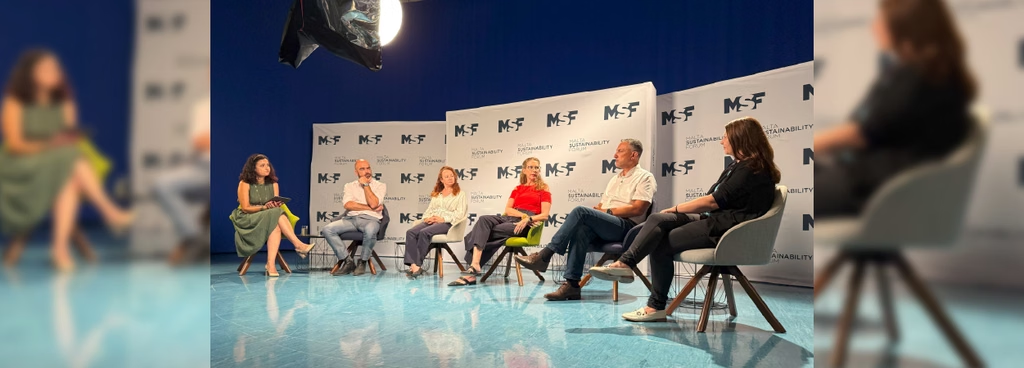
Malta faces unique challenges related to waste disposal due to its size and population density. As highlighted during the Malta Sustainability Forum held on June 30, 2025, waste generation is a shared responsibility that requires collaboration between government agencies, educational institutions, businesses, and citizens. Efforts like the initiatives at the University of Malta serve as critical components in Malta’s broader sustainability framework.
Effective waste management involves not just collection but also the reduction, reuse, and recycling of waste materials. The university actively engages in these practices, aligning with national policies and European Union directives to improve waste quality and management practices.
University of Malta’s Initiatives for Waste Reduction and Recycling
The University of Malta implements several initiatives aimed at reducing waste. These include:
- Food Waste Reduction: Catering services and food outlets on campus focus on minimizing food waste through better inventory and portion control, as well as composting leftovers where possible.
- Plastic Waste Minimization: The university encourages the use of reusable water bottles and bans single-use plastics in various settings, especially during events like the Eco-Market, where plastic use is strictly prohibited.
- Waste Separation at Source: Detailed waste segregation bins are placed throughout campus to segregate recyclables such as plastics, paper, and metals, ensuring cleaner waste streams for treatment.
- Educational Campaigns: Awareness programs and workshops educate students and staff about sustainable waste practices, fostering a community-wide commitment to environmental responsibility.
These efforts contribute significantly to Malta’s goal of improving waste quality and reducing landfill reliance. The university’s commitment demonstrates how targeted actions can lead to meaningful environmental benefits.
Technological and Legislative Aspects of Waste Management at the University
Modern waste management also involves technological advances and adherence to legislative frameworks. The University of Malta works closely with agencies like WasteServ Malta Ltd and the Environment and Resource Authority (ERA) to ensure compliance and leverage innovative solutions.
Recent improvements include enhanced waste sorting facilities and the adoption of more sophisticated recycling processes. Moreover, the university actively participates in legislative initiatives aimed at designing waste out of the system, reducing the need for disposal and promoting circular economy principles.
Challenges and Opportunities in Waste Management
Despite positive developments, several challenges remain. Easily discardable items and insufficient repair infrastructure make it difficult to maximize reuse. There are also ongoing efforts needed to increase community awareness and change disposal habits.
Nevertheless, opportunities abound for expanding successful initiatives. For instance, establishing more repair workshops and promoting second-hand markets on campus could further reduce waste. Additionally, integrating waste management into curriculum modules can educate future generations on sustainable practices.
The Role of the University Community in Waste Management
Successful waste management depends on active participation from students, staff, and local stakeholders. The university encourages everyone to contribute by:
- Reducing reliance on single-use plastics and packaging.
- Participating in recycling programs and proper waste segregation.
- Engaging in sustainability workshops and awareness campaigns.
- Supporting innovations in waste reduction and reuse.
Creating a sustainability-focused culture requires continuous education and community engagement, which the University of Malta champions through dedicated initiatives and leadership.
How You Can Support Waste Management Efforts
Whether you’re a student, staff member, or visitor, you can actively support waste reduction at the University and beyond by adopting sustainable habits. Carry reusable water bottles and shopping bags, participate in campus clean-up events, and advocate for improved waste practices within your community.
Building a More Sustainable Future at the University of Malta
Effective waste management is integral to Malta’s sustainability ambitions and serves as a model for other institutions worldwide. The University of Malta demonstrates how strategic planning, technological innovation, and community engagement can lead to significant environmental improvements. By viewing waste as a shared responsibility and adopting proactive measures, the university paves the way for a cleaner, more sustainable future.
Ready to take the next step? Fill out the form to get a free consultation with Studygram, and let us help you plan your next steps toward studying in Malta.