Overview of the Blue Impact Lab Training Session
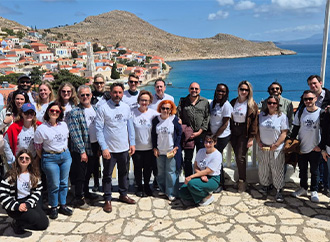
The University of Malta’s Faculty of Arts has recently marked an important milestone in its commitment to the sustainable development of the Mediterranean region. Prof. Michael Briguglio, Coordinator of the Masters in Social Impact Assessment, attended the Blue Impact Lab – a research training initiative focused on the Blue Economy – from 2 to 5 April 2025 in Rhodes, Greece. The workshop, organized by the EU COST Action RethinkBlue, brought together scholars, policymakers and industry stakeholders from 16 countries to explore cutting‑edge methodologies for assessing the socio‑economic and environmental implications of blue‑economy projects.
During the week‑long program, participants studied impact assessment tools, visited the eco‑innovation hub on Chalki island, and partook in stakeholder simulations that addressed real‑world challenges such as small‑scale fishing sustainability, yacht marina development, waste management and coastal tourism. The hands‑on nature of the training helped scholars translate theory into practice and expand their networks across a continent that depends heavily on marine resources.
Key Themes Covered at the Lab
- Sustainability and Social Equity – Emphasized the necessity of inclusive policies that safeguard the livelihoods of local fishing communities while fostering new economic opportunities.
- Renewable Energy Integration – Explored community‑driven renewable projects, such as wave and solar farms, to reduce the carbon footprint of coastal infrastructure.
- Governance and Policy – Discussed frameworks for collaborative governance that align national regulations with regional environmental objectives.
- Tourism and Aquaculture – Focused on balancing high‑volume tourism with the need to protect marine biodiversity and ensure sustainable aquaculture practices.
Application of Training Outcomes at the University of Malta
Prof. Briguglio’s participation directly feeds into the University’s academic offerings and research agenda. As Coordinator of the Masters in Social Impact Assessment, he now has access to refined impact‑assessment procedures, which can be incorporated into the curriculum to give students hands‑on experience. Students will learn how to evaluate the efficacy of blue‑economy projects, thereby strengthening their employability in roles that interface with maritime and coastal policy circles.
Moreover, his role as Science Communication Coordinator for RethinkBlue has enabled him to bring back media‑skills training, crucial for translating technical findings into clear policy briefs that resonate with non‑expert audiences. This skill set is becoming increasingly essential as the sector moves from research to policy implementation.
Benefits for Malta’s Coastal Economy
Malta’s insular nature makes it particularly sensitive to the impacts of maritime activity. The research training equips local scholars with tools to influence policy at both national and regional levels. This includes:
- Developing evidence‑based guidelines for the sustainable development of marina infrastructure.
- Advocating for policies that protect small‑scale fisheries while encouraging responsible tourism.
- Supporting waste‑management strategies that reduce marine litter and safeguard biodiversity.
These insights will help the government to avoid over‑exploiting marine resources, ensuring long‑term economic resilience for Malta’s communities.
Future Engagement and Networking Opportunities
The Blue Impact Lab also served as a networking platform, enabling scholars and industry professionals to forge collaborations. Prof. Briguglio will now partner with research groups in Greece, Spain and Denmark to co‑author papers on blue‑economy impacts, reinforcing the University of Malta’s position as a hub for maritime research in the Mediterranean.
Additional workshops, such as the Media Skills training for Science Communications Coordinators, offer further avenues for academic staff to enhance outreach. This synergy between research and communication positions the University to attract funding and strengthen its ties with EU initiatives.
Action Plan for Interested Researchers and Students
If you are looking to advance your expertise in the blue economy and sustainability, consider engaging with the University of Malta’s research programmes. Enroll in the Masters in Social Impact Assessment or attend industry‑specific seminars to expand your knowledge.
Feel free to contact the Faculty of Arts for more information on upcoming courses and collaborations.
Next Steps for Prospective Participants
- Submit your application today for the next cohort of the MSc program.
- Schedule a free consultation with a faculty advisor to discuss potential research projects.
- Share your experiences in the comments below – how has your work intersected with marine sustainability?
- Explore related articles on marine policy and eco‑innovation.