When it comes to understanding the complexities of global trade, policy formulation, and multinational operations, few experiences rival a first‑hand look at the institutions that shape Europe’s economic landscape. Recently, a cohort of MSc International Business students from KEDGE Business School embarked on a three‑day study trip to Brussels, the de facto capital of the European Union. The itinerary combined visits to key EU bodies, a deep‑dive session with IBM Brussels, and reflective workshops designed to translate academic theory into practical insight. For prospective students considering a master’s in international business, this trip exemplifies the kind of immersive learning that sets KEDGE apart.
Why a Study Trip to European Institutions Matters for International Business Students
International business is not confined to textbooks; it lives in the corridors where regulations are drafted, trade agreements negotiated, and digital policies debated. By stepping inside the European Economic and Social Committee (EESC), the Committee of the Regions, the European Parliament, and the European Commission, students gained a multidimensional view of how supranational governance influences market access, sustainability standards, and innovation frameworks. The trip also highlighted the relevance of these institutions to specific markets such as Malta, where EU directives directly affect sectors ranging from financial services to tourism. Understanding these linkages equips future managers to anticipate regulatory shifts and craft strategies that are both compliant and competitive.
Inside the European Economic and Social Committee and the Committee of the Regions
The first day began at the EESC, where representatives explained the committee’s role as a bridge between civil society, employers, and employees. Students learned how the EESC issues opinions on legislation that impacts everything from labor mobility to environmental standards. A subsequent visit to the Committee of the Regions offered a complementary perspective, emphasizing how local and regional authorities contribute to EU policymaking. Through interactive Q&A sessions, participants explored case studies on regional development funds and cross‑border cooperation—topics that resonate strongly with the MSc International Business curriculum’s focus on strategic management and sustainable development.
Exploring the European Parliament and Commission
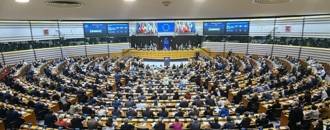
Day two centered on the European Parliament’s hemicycle, where students observed the plenary chamber and attended a briefing on the legislative process. Guides detailed how MEPs draft, amend, and vote on directives that shape the single market. The afternoon shifted to the European Commission, where officials presented on the future of Europe and the evolving challenges of EU trade policy. Discussions covered the EU’s strategic autonomy agenda, digital sovereignty, and the Green Deal—areas that directly affect multinational corporations operating across borders. By linking these policy debates to real‑world business scenarios, the visit helped students see how macro‑level decisions translate into operational considerations for firms.
Schedule a free consultation to learn more
Connecting Theory with Practice: IBM Brussels Visit
The third day shifted from public institutions to a leading private‑sector player: IBM Brussels. The session focused on agentic AI, digital sovereignty, and the ethical implications of emerging technologies. IBM professionals shared case studies on how AI is being deployed to optimize supply chains, enhance customer experience, and ensure compliance with data protection regulations such as GDPR. Through hands‑on workshops, students examined how technological innovation intersects with regulatory frameworks—a critical skill set for anyone aiming to lead international business initiatives in today’s fast‑changing environment. The visit also underscored the importance of understanding regional nuances; for example, how Malta’s position as an EU member state influences its adoption of AI‑driven solutions in finance and iGaming.
Developing Professional Skills and Group Dynamics
Beyond the institutional tours, the trip was deliberately designed to sharpen soft skills. Navigating busy Brussels streets, adhering to tight schedules, and engaging in high‑level discussions required students to practice professional posture, clear communication, and collaborative problem‑solving. Reflective debriefs encouraged participants to assess their own strengths and areas for growth, fostering a mindset of continuous improvement. These experiential learning moments align with KEDGE’s “Learning By Doing” pedagogy, ensuring that graduates are not only knowledgeable but also adaptable and resilient in multicultural business settings.
How This Experience Aligns with the MSc International Business Curriculum
The MSc International Business program at KEDGE Business School is structured around three pillars: global strategy, cross‑cultural management, and sustainable innovation. The Brussels study trip directly reinforces each pillar:
- Global Strategy: Exposure to EU institutions illustrates how supranational regulations shape market entry strategies and competitive advantage.
- Cross‑Cultural Management: Interacting with officials from diverse national backgrounds sharpens students’ ability to navigate varied communication styles and decision‑making processes.
- Sustainable Innovation: Discussions on the Green Deal, digital sovereignty, and AI ethics connect sustainability goals with technological advancement.
By integrating these real‑world insights into coursework, case analyses, and group projects, the program ensures that students can translate theoretical frameworks into actionable business plans.
Planning Your Own Study Trip: Tips for Prospective Students
If you are considering a master’s in international business and want to maximize experiential learning opportunities, keep the following pointers in mind:
- Research the Institution’s Partnerships: Look for schools that maintain active relationships with EU bodies, multinational corporations, and NGOs.
- Evaluate the Curriculum’s Practical Components: Programs that embed study trips, consulting projects, or internships tend to deliver higher employability outcomes.
- Consider Geographic Relevance: A trip to Brussels offers direct insight into EU policymaking, while other locations may focus on Asia‑Pacific trade routes or African emerging markets.
- Leverage Alumni Networks: Former students can provide first‑hand accounts of how study trips influenced their career paths.
- Prepare Academically: Review relevant EU regulations, trade agreements, and technological trends before the trip to maximize the learning experience.
Explore our related articles for further reading
Next Steps: Join KEDGE Business School
The Brussels study trip is just one example of how KEDGE Business School brings international business education to life. By combining rigorous academic instruction with immersive, real‑world experiences, the MSc International Business program prepares graduates to thrive in complex, multicultural environments. If you are ready to gain a competitive edge through practical exposure to European institutions and global industry leaders, now is the time to act.